The South African film industry is on an exciting upward trajectory. As we enter 2026, innovation and collaboration promise a brighter future. This blog post highlights key trends that will drive growth. We base our insights on recent data and expert views. Below, we explore five major trends: the expansion of streaming platforms, increasing international co-productions, a strong focus on skills development, the integration of AI, and the adoption of sustainable practices. These developments offer hope for filmmakers, professionals, and investors alike. With strategic actions, the industry can thrive and create lasting impact.
The Expansion of Streaming and OTT Platforms
Streaming services are fueling optimism in South Africa’s film sector. Local platforms like Showmax lead the way, meeting demand for regional content. The OTT market reached R4.2 billion in 2024 and is projected to grow to R5.6 billion by 2029, at a 6% compound annual growth rate. This growth reflects rising consumer interest in affordable, ad-supported models.

Moreover, global players like Netflix continue to invest. Their commitments have boosted local productions and job creation. For instance, the movie and entertainment market is expected to hit R7.3 billion by 2030, growing at 9.5% annually. Challenges like broadband access remain, but mobile viewing is bridging the gap.
To capitalize on this, start by researching platform requirements. Pitch stories with strong local appeal to streamers. Build a demo reel showcasing diverse narratives. Network at events to secure partnerships. These steps can open doors to funding and wider audiences. For resources, visit the Gauteng Film Commission’s Resource Centre.
Increasing International Co-Productions and Investments
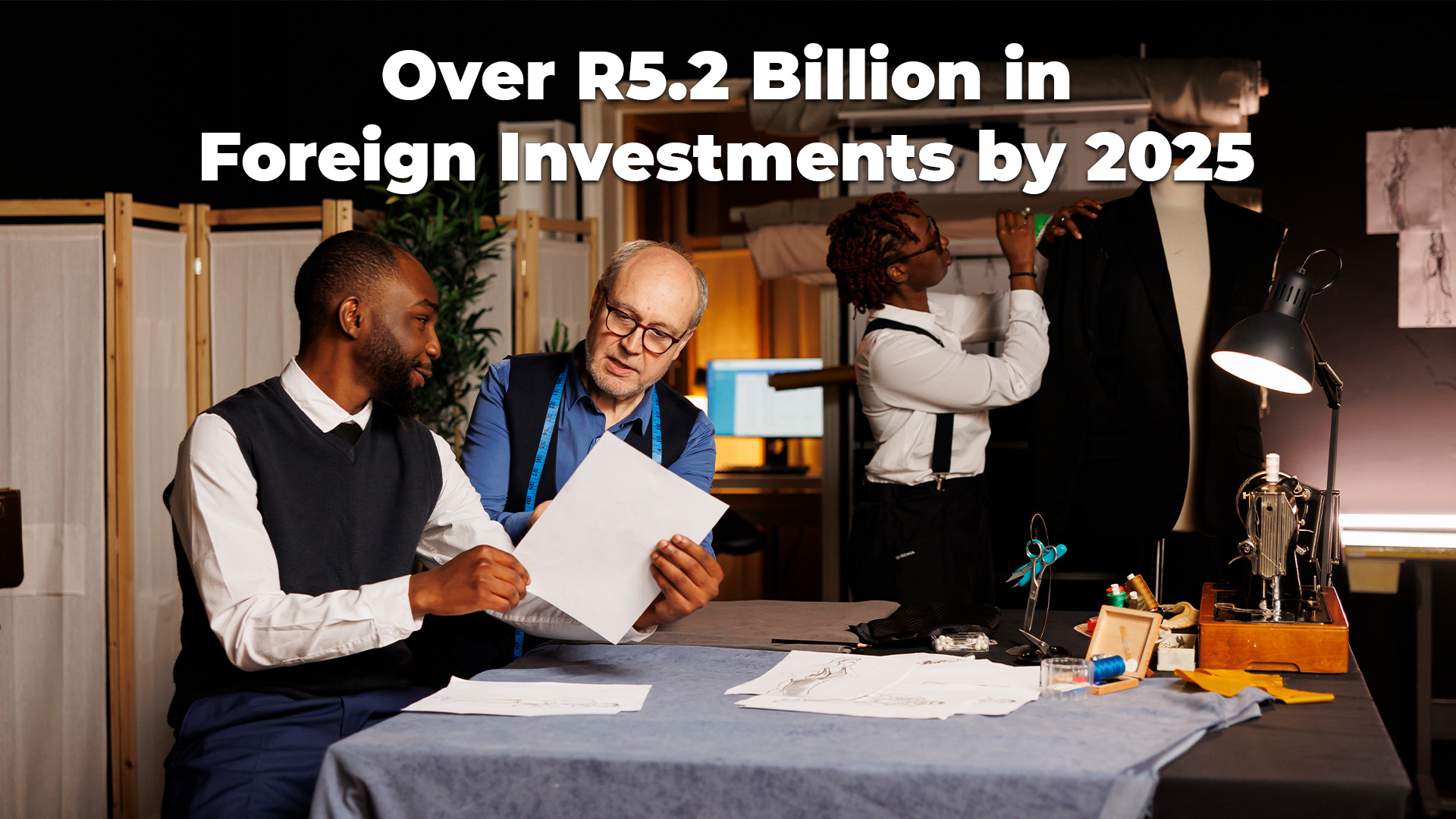
Foreign investments are injecting vitality into the industry. South Africa has attracted over R5.2 billion in foreign funds by October 2025, up from R2.52 billion between November 2023 and June 2024. This surge highlights our competitive edge, including skilled crews and favorable exchange rates.
In addition, pan-African co-productions are rising. Films gain regional releases, expanding markets and fostering unity. Tshepiso Chikapa Phiri, CEO of Known Associates Group, says: “South Africa is definitely open for business… Our rand still goes a long way. We’ve got great facilities, we’ve got great crews that are highly skilled.
Practical steps include applying for co-production treaties. Research incentives like rebates through government portals. Attend international festivals to connect with partners. Draft clear agreements on rights and revenue sharing. These actions can secure funding and global exposure. Learn more about Gauteng’s contributions on Who We Are at the Gauteng Film Commission.
Strong Focus on Skills Development and Training
Investing in talent builds a hopeful foundation for the future. Programs address skills gaps and promote diversity. For example, initiatives like the Industrial Development Corporation’s Youth In Film offer funding and training. Across Africa, film education investments are increasing in 2025.
Furthermore, AI literacy is becoming essential. Seventy-eight percent of South African organizations need AI skills, yet talent is scarce. Ebuka Njoku, a filmmaker, notes: “Artificial intelligence will also start playing a role… We might see short films made entirely with AI this year.
To get started, enroll in online courses on platforms like Coursera. Join local workshops for hands-on experience. Seek mentorship from industry veterans. Track progress by creating a portfolio of new skills. These steps empower emerging creators. Explore options on the
Integration of AI and Emerging Technologies
AI is sparking creative possibilities and efficiency. In film production, it streamlines editing and personalization. South African creatives use AI for generative design, with 70% adopting tools. This democratizes filmmaking, especially for independents.
Smartphone tech also inspires hope. Low-cost tools enable innovative storytelling. Ethical AI use ensures human creativity remains central.
Begin by experimenting with free AI tools like ChatGPT for scripting. Attend AI workshops to learn best practices. Collaborate on pilot projects to test applications. Monitor ethics guidelines from bodies like the NFVF. These actions can enhance your work. For reports, check NFVF Research Reports.
Adoption of Sustainable Practices
Sustainability is paving the way for a greener, more resilient industry. Initiatives like WrapZERO lead carbon-neutral efforts. Programs such as GreenSet calculate and reduce footprints. Bluewater Trailers have eliminated single-use plastics on sets.
Cinema growth supports this, with new screens in markets like South Africa. These practices not only protect the environment but also attract eco-conscious investors.
Implement by setting green goals in pre-production. Choose eco-suppliers and recycle on set. Use tools like carbon calculators. Report progress for incentives. These steps foster long-term success. Stay informed via Gauteng Film Commission’s Upcoming Events.mrfilmsa.com
For more, see the PwC Africa Entertainment and Media Outlook or Afrocritik’s Trends Article.
Conclusion: Embracing Opportunities with Practical Actions
Looking to 2026, the South African film industry shines with potential. By harnessing these trends, stakeholders can build a vibrant, inclusive future. Filmmakers: pursue co-productions by networking globally and applying for rebates—start with a strong pitch deck. Investors: focus on streaming and AI ventures; conduct market research to identify high-return projects. Professionals: upskill through targeted training; set quarterly goals to master new tools.
Additionally, collaborate across Africa for broader impact. Prioritize sustainability in every project to ensure viability. With these steps, we can overcome challenges and lead innovation. The future is bright—let’s seize it together.
.